Groovy Psychedelic Retro Backgrounds Review
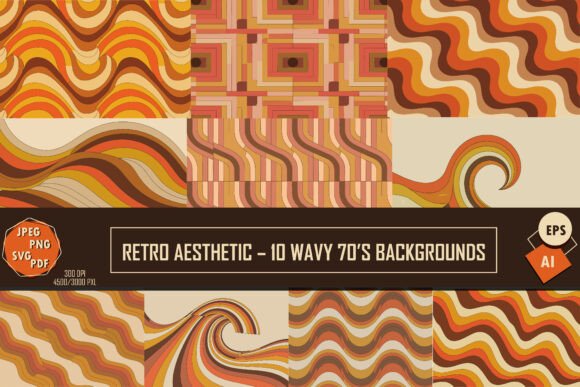
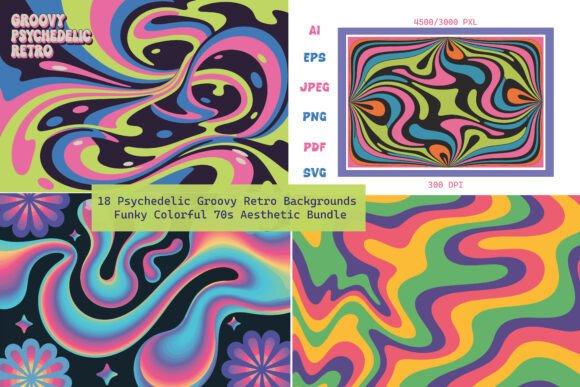
When I first opened the Groovy Psychedelic Retro Backgrounds set, my immediate reaction wasn’t about stitch counts or file formats—it was about the sheer energy of the visuals. As a designer who has spent years turning digital assets into tangible, stitched products, I know that a background isn’t just empty space; it is the foundation upon which a brand’s personality rests. This collection of 18 bold and wavy digital papers inspired by the 1970s doesn’t just sit there; it demands attention. But can these vibrant graphics survive the transition from screen to fabric? Can they hold up when stitched onto a tote bag for an Etsy shop or embroidered onto a baby onesie for a boutique gift? After putting this design through its paces in real-world scenarios, here is my honest evaluation.
The First Impression: Mood and Visual Impact
The moment you look at these backgrounds, the retro vibe hits hard. We are talking warm ambers, deep teals, swirling oranges, and colors that feel like a time capsule from a vinyl record store circa 1974. For embroidery designers, color contrast is everything. These designs offer high-contrast potential right out of the box. The wavy, psychedelic patterns create a sense of movement that translates surprisingly well to thread work, provided you choose your stitch types wisely.
Unlike rigid geometric patterns that can sometimes look stiff when digitized, these organic flows mimic the natural drape of fabric. When I laid a mockup of one of these backgrounds over a custom apparel template, it immediately elevated the piece from a generic t-shirt to a statement wearable art piece. It feels less like a "background" and more like a primary design element. This is crucial for small business owners looking to create unique handmade products that stand out in a crowded market. The visual personality here is confident, funky, and nostalgic—traits that resonate deeply with customers seeking authenticity in their purchases.
Real-World Application: From Screen to Stitch
Let’s talk about practical use. I recently used a similar style of psychedelic graphic to conceptualize a series of embroidered patches for a client’s vintage-themed clothing line. While those were vector-based, the principles apply directly to how Groovy Psychedelic Retro Backgrounds might be interpreted in an embroidery project. Imagine stitching a fill stitch version of these waves onto the back panel of a denim jacket. The texture of the thread would catch the light differently than the flat digital image, adding depth and luxury to the finished product.
This design asset is particularly strong for specific categories of craft business items:
- Custom Apparel: Sweatshirt embroidery benefits from bold backgrounds. A psychedelic wave pattern on the chest or sleeve cuff adds a streetwear edge that appeals to younger demographics.
- Tote Bag Design: Canvas totes are perfect for this aesthetic. The rougher texture of canvas complements the retro vibe, making the embroidery look intentional and artistic rather than mass-produced.
- Baby Embroidery: While bright, these colors can be softened with pastel thread choices. A subtle wave pattern on a burp cloth or blanket can serve as a modern nursery decor item that parents find stylish.
- Holiday Embroidery: Think of autumn-themed projects. The warm tones in this set align perfectly with fall harvest gifts, kitchen towels, and aprons, making them highly sellable during Q4.
I also considered using these as printable mockups for digital product sellers. If you are selling digital planners or wall art, having a high-quality graphics library like this allows you to create realistic previews without needing expensive photography setups. It saves time and ensures consistency across your design assets.
Where Caution Is Required
Not every digital paper translates equally well to machine embroidery, and Groovy Psychedelic Retro Backgrounds is no exception. There are specific situations where you need to pause and evaluate before hitting the start button.
First, consider hoop size. These wavy patterns rely on flow. If you try to fit a large, sweeping wave into a tiny hoop, you risk cutting off the visual rhythm, resulting in a fragmented and confusing design. Always confirm the hoop size matches the scale of the intended product. A cap or hat requires a much tighter, more concentrated design than a pillow cover.
Second, think about fabric texture. Embroidering on heavily textured fabrics like bouclé or thick fleece can obscure the fine details of a digital background. The thread might get lost in the weave. Similarly, thin or stretchy fabrics require proper stabilizer support. Without it, the tension from filling such a broad area could pucker the fabric, ruining the professional look of the finished product.
Dark fabrics present another challenge. While the colors in this set are bold, dark threads against dark fabric can lack definition. You must test thread color contrast rigorously. A black satin stitch on a navy background might disappear, whereas a metallic gold running stitch might pop beautifully. Always inspect small details under different lighting conditions.
Practical Designer Notes for Success
To ensure your embroidery project succeeds, I recommend following a strict testing protocol. Never go straight to the final garment. Start by stitching the design on scrap fabric that mimics the weight and stretch of your target material. This helps you identify issues with thread breaks or tension early.
Review the stitch density carefully. Psychedelic backgrounds often imply large areas of coverage. If the digitization uses too dense a stitch, the fabric will become stiff and uncomfortable, especially on custom apparel like t-shirts. Look for a balance between coverage and breathability. Consider mixing stitch types; perhaps a running stitch outline with a lighter fill stitch interior can add detail without bulk.
Also, test the design in black and white. Sometimes colors deceive us. Converting the preview to grayscale helps you see if the shapes have enough separation and visual hierarchy. If the design looks muddy in monochrome, it likely will stitch poorly.
Finally, check the licensing terms. If you plan to sell these as part of a commercial embroidery collection or use them in Etsy listings, you must understand the usage rights. Does the license allow for physical goods? Digital resale? Clarifying this protects your craft business from legal issues down the line.
Final Verdict
Groovy Psychedelic Retro Backgrounds is more than just a pretty picture; it is a versatile tool for creative entrepreneurs who want to inject personality into their work. It works best when paired with thoughtful digitization, appropriate fabric choices, and strategic placement. Whether you are creating personalized gifts, boutique branding materials, or standalone embroidered patches, this set provides a strong visual anchor.
It encourages experimentation. It pushes you to think about how color and form interact with thread. For the experienced designer, it offers a shortcut to mood-setting; for the hobbyist, it offers a fun way to explore retro aesthetics. Just remember: the magic happens in the execution. Test thoroughly, stabilize properly, and let the groovy vibes guide your creative process. When done right, the result is not just an embroidered item, but a piece of wearable nostalgia that customers will love.