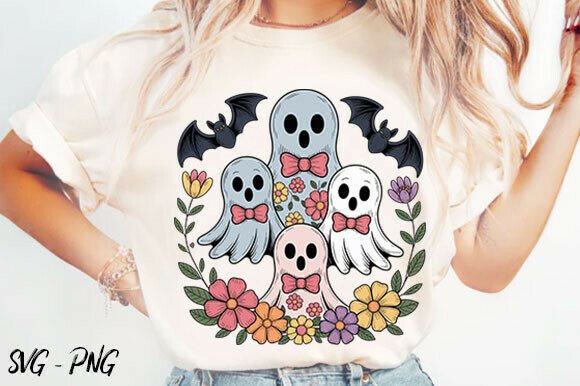
Retro Ghost Christmas With Gingerbread Review
As a designer who spends more time staring at stitch charts and fabric swatches than sleeping, I approach every new T-Shirt Designs or digital asset with a healthy dose of skepticism. The market is flooded with generic clip art, but finding a design that balances aesthetic charm with technical embroidery viability is rare. Recently, I pulled the Retro Ghost Christmas with Gingerbread file from its zip folder to see if it holds up under the needle. This isn’t just another holiday graphic; it’s a specific mood piece that demands careful consideration before you commit it to your hoop.
First Impressions: Mood and Visual Personality
The moment you open the files—whether you are looking at the high-resolution JPG/PNG previews or the vector SVG structure—the retro vibe hits immediately. It doesn’t scream "loud holiday cheer"; instead, it whispers with a nostalgic, cozy warmth. The composition features a stylized ghost paired with gingerbread elements, creating a playful juxtaposition that feels both spooky and sweet. For an embroiderer, this balance is crucial. If the design were too complex, the ghost’s features might muddy together in thread. If it were too simple, it would lack character on a finished product.
The visual personality here leans heavily into handmade authenticity. It feels like something you’d find in a vintage craft store rather than a mass-produced big-box retailer. This makes it exceptionally strong for handmade products where uniqueness is the selling point. The shapes are clean, which suggests good potential for stitching clarity, provided the stitch density is managed correctly. It creates a mood of relaxed celebration, perfect for customers who want festive decor without the overwhelming clutter of traditional Christmas motifs.
Real-World Application: Where This Design Shines
I put this embroidery project through its paces by imagining it on various substrates. The first scenario that came to mind was a custom embroidered tote bag design for a local holiday market. The ghost motif works beautifully on canvas or heavy cotton blends often used for totes. The contrast between the soft, rounded lines of the ghost and the sturdy fabric texture adds a tactile dimension that photos alone cannot capture. Customers at craft fairs respond well to designs that feel personal and whimsical, and this fits that niche perfectly.
Another strong candidate is sweatshirt embroidery. A cropped hoodie or a boxy crewneck in cream, sage green, or muted orange would make the Retro Ghost Christmas with Gingerbread pop. The design has enough presence to stand out as a statement piece on the chest or back. It also translates surprisingly well to baby embroidery items. Small onesies or burp cloths benefit from softer, friendlier imagery, and the gingerbread element adds a touch of sweetness that appeals to parents looking for unique personalized gift options for winter showers.
For those running an Etsy shop or managing small shop product listings, this design offers versatility. It can be adapted into an embroidered patch for denim jackets, adding a layer of durability and style. It also works as a decorative accent on aprons for holiday baking sessions or even on pillow covers for nursery decor. The key here is recognizing that this is not just a machine embroidery design; it is a versatile design asset that can elevate multiple categories of merchandise.
Technical Considerations and Stitching Challenges
While the aesthetic appeal is high, we must talk about the mechanics. Every embroidery file has its limits, and ignoring them leads to puckering, thread breaks, or lost details. When evaluating Retro Ghost Christmas with Gingerbread, I noticed several areas that require attention during digitizing or setup.
First, consider the hoop size. If you attempt to stitch this on a curved surface like a cap, the curvature might distort the symmetry of the ghost’s face. Curved surfaces demand precise alignment, and any slight shift in tension can ruin the character’s expression. Similarly, working with thin fabrics or stretchy knits requires a robust stabilizer strategy. Without proper support, the fill stitch areas may cause the fabric to pucker significantly, making the final product look unprofessional.
Detail level is another critical factor. The design likely contains small accents, perhaps on the gingerbread buttons or the ghost’s eyes. These fine points rely heavily on satin stitch quality. If the thread color lacks sufficient contrast against the fabric, these details will vanish. I strongly advise testing the design in black and white mockups to ensure the tonal values hold up. Additionally, inspect the small corners of the design; if they are too sharp, they may not translate well into thread, resulting in jagged edges or thread nests.
Dense stitch areas should be monitored closely. High density can add weight to the garment, which might be undesirable for lightweight t-shirts or delicate baby clothes. Always check whether the design works for both personal use and commercial projects by reviewing the licensing terms included in the zip file. Selling finished items without proper rights is a quick way to damage your reputation as an Etsy seller or craft business owner.
Practical Designer Notes for Success
To get the best results from this digital embroidery file, follow these practical steps:
- Test on Scrap Fabric: Never commit to a final garment without a test run. Use scrap fabric that matches the weight and texture of your intended product. This helps you identify issues with stabilizer choice or thread tension early.
- Check Thread Color Contrast: Choose thread colors that enhance the retro palette. Pastel threads work well for a soft look, while bold colors can emphasize the graphic nature of the design. Avoid low-contrast combinations that hide the detail.
- Review Stitch Density: Ensure the density is appropriate for the fabric. Too much thread on light fabric causes bulk; too little leaves gaps. Adjust settings if your machine allows, or consult the digitizer’s notes.
- Inspect Small Details: Zoom in on the digital preview. Are the tiny elements clear? If they seem ambiguous, consider simplifying the design or increasing the scale to ensure clarity in the finished product.
- Confirm Licensing: Before listing this as a small shop product or using it in client work, verify the commercial usage rights. Some files are for personal use only, while others allow full commercial exploitation.
Final Verdict: Does It Add Value?
In conclusion, Retro Ghost Christmas with Gingerbread is a charming addition to any designer’s library. It succeeds because it taps into a specific emotional resonance—nostalgia mixed with holiday joy—without relying on overused clichés. For apparel decorators and creative entrepreneurs, it offers a fresh angle on seasonal merchandising.
The design enhances brand consistency by offering a cohesive, recognizable style that stands out in a crowded marketplace. It boosts buyer engagement because customers connect with designs that feel handcrafted and thoughtful. However, success depends entirely on execution. By paying attention to fabric selection, stabilizer usage, and stitch quality, you can transform this digital asset into a premium finished product that customers will love.
If you are looking to expand your range of holiday embroidery items, this design is worth the investment. Just remember to treat it with the respect due to a professional graphics file: test thoroughly, plan carefully, and stitch with precision. When done right, the result is not just a stitched image, but a tangible piece of art that brings warmth and whimsy to the holidays.