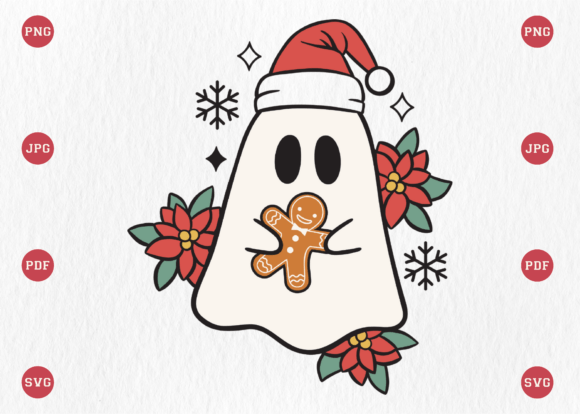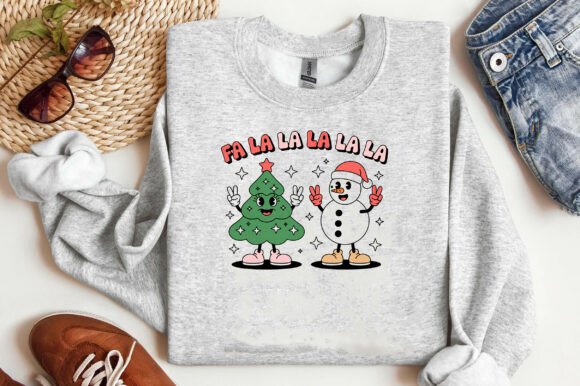
Retro Christmas Sublimation PNG Review
As a designer who spends half my life staring at stitch patterns and the other half worrying about thread tension, I don’t just look at a digital file—I imagine how it will sit on fabric. When I first pulled up Retro Christmas Sublimation PNG, my immediate reaction wasn’t about the holiday cheer alone; it was about versatility. The aesthetic is undeniably nostalgic, tapping into that warm, fuzzy feeling of vintage holidays, but for an embroidery professional, the real question is always: "Will this stitch well?"
This review isn’t just about admiring the graphic. It’s about evaluating whether this design asset is ready for your hoop, your client, and your bottom line. Whether you are an Etsy seller looking to boost your holiday listings or a crafter making personalized gifts, understanding the practical application of this T-Shirt Designs category graphic is crucial before you commit to production.
First Impressions and Visual Personality
The mood of Retro Christmas Sublimation PNG is distinct. It doesn’t scream with loud, neon modernity; instead, it whispers with a curated, mid-century charm. For embroidery, this translates to a design that likely relies on strong shapes and clear negative space rather than microscopic details that might get lost in satin stitches. The visual personality feels approachable and timeless, which is exactly what buyers want when they are shopping for holiday decor or custom apparel.
From a layout perspective, the composition appears balanced enough to work as a central chest print on a sweatshirt or a focal point on a tote bag. However, because this is provided as a high-quality PNG with 300 DPI, you have a solid foundation for digitizing or sublimating, but you must remember that raster images behave differently than vector paths. The edges need to be clean, and the contrast needs to hold up against various fabric textures. If you are planning to use this as an applique design, the defined shapes will make cutting and stabilizing much easier, reducing waste and frustration during the sewing process.
Real-World Application: Where This Design Shines
Let’s talk about where Retro Christmas Sublimation PNG actually earns its keep. I recently considered using a similar retro-style asset for a batch of custom embroidered patches intended for denim jackets. The nostalgia factor plays incredibly well with that demographic. But beyond patches, here is where this design naturally fits into a commercial workflow:
- Custom Apparel and Sweatshirts: The classic nature of the theme makes it perfect for unisex hoodies and crewnecks. When digitized correctly, the fill stitch areas can provide a nice texture that contrasts with the smooth surface of cotton fleece.
- Holiday Embroidery Gifts: Think kitchen towels, tea towels, and aprons. A retro Christmas motif on a linen or cotton blend apron adds a touch of boutique flair that mass-produced items lack. It elevates a simple utility item into a personalized gift.
- Baby Embroidery: Soft pastels or muted retro tones work beautifully on baby onesies or burp cloths. Parents are often looking for designs that feel curated rather than cartoonish, and this graphic hits that sweet spot.
- Tote Bag Design: Canvas totes are a staple for craft fairs. A bold, retro graphic prints or stitches cleanly on canvas, creating a sturdy handmade product that customers will actually use repeatedly, keeping your brand visible.
For the Etsy seller or small shop owner, this design offers a low-risk, high-reward opportunity. It appeals to a broad audience during the peak holiday season, from young millennials buying decor to older generations appreciating the vintage style. It serves as excellent design assets for creating printable mockups to preview your products before you even cut the fabric.
Where to Exercise Caution
No design is universal, and Retro Christmas Sublimation PNG has specific constraints you must respect to ensure a professional finished product. Here is where things can go wrong if you aren’t careful:
- Small Hoop Sizes: If the design contains intricate lines or tiny text, attempting to fit it into a small hoop (like 4x4 inches) may result in pixelation or loss of detail. Always check the scale. If you are doing machine embroidery design work, ensure the digitizer has accounted for the minimum spacing between elements.
- Textured and Stretchy Fabrics: While this looks great on flat cotton, applying it to a highly textured boucle fabric or a stretchy jersey knit without proper stabilization can lead to puckering. The fabric texture can interfere with the clarity of the image, especially if you are sublimating directly onto dark fabrics where color vibrancy is already challenged.
- Dense Stitch Areas: If you are converting this PNG into an embroidery file, be wary of large solid blocks of color. High stitch density can make the final piece stiff and heavy, which is undesirable for something like a baby embroidery project or a lightweight scarf. Use running stitch or lighter fill stitches to maintain drape.
- Curved Surfaces: Applying this to caps or hats requires careful stretching. Retro graphics often rely on symmetry; if the curve distorts the aspect ratio, the "retro" vibe can turn into a "sloppy" vibe. Test on scrap material first.
Practical Designer Notes for Production
Before you rush into production mode, there are several technical checks every experienced maker should perform. These steps protect your reputation and ensure customer satisfaction.
First, test the design on scrap fabric. This is non-negotiable. See how the colors interact with the specific yarn dye of your chosen fabric. Thread colors can shift significantly under different lighting conditions, so inspecting the thread colors against the background is vital for legibility.
Second, review the stitch density if you are digitizing this yourself. Ensure that the satin stitch borders are not too tight, which can cause the fabric to pucker, or too loose, which leaves gaps. If you are using this for sublimation, verify that the 300 DPI resolution is sufficient for the size you intend to print. Blurry edges kill the premium feel of a commercial embroidery product.
Third, confirm licensing. Since this is a digital embroidery file or graphic asset, you must understand the terms of use. Can you sell the finished physical items? Can you include this in a digital bundle? Clarifying this prevents legal headaches later. Also, consider the brand consistency of your shop. Does this retro style align with your existing aesthetic? If your shop is known for minimalist modern designs, this festive, busy graphic might feel out of place unless used strictly as a seasonal limited edition.
Finally, inspect small details. Zoom in on the original PNG. Are there any jagged pixels that might translate poorly into thread or ink? If the design relies on fine lines, consider simplifying them in your digitizing software to ensure they survive the mechanical process of stitching. A clean, simplified version often looks more professional than a hyper-detailed one that fails to execute properly.
Final Verdict
Retro Christmas Sublimation PNG is a versatile, mood-driven asset that fits seamlessly into the holiday market. It works exceptionally well for custom apparel, home decor accents, and embroidered patches. Its strength lies in its nostalgic appeal and clear visual hierarchy, which translates well to both print and stitch.
However, success depends entirely on your execution. By respecting the limitations of fabric texture, hoop size, and stitch density, you can transform this digital download into a high-value craft business item. For the savvy maker, this is more than just a picture; it’s a template for a profitable, heartwarming collection. Just remember to test, stabilize, and always prioritize the quality of the finish over the speed of production. Your customers—and their laundry machines—will thank you.