Retro Woman Hairstyles Vintage Fashion H
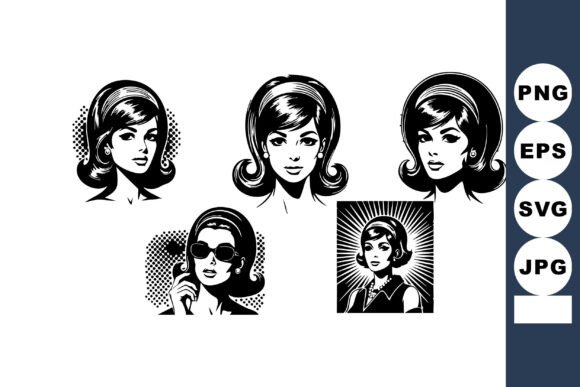
As a designer who spends half her life digitizing vectors and the other half troubleshooting tension issues on a sewing machine, I have learned to be skeptical of any file that promises too much. When I first pulled up Retro Woman Hairstyles Vintage Fashion H, my initial reaction was one of cautious optimism. The concept is undeniably strong: a vintage-inspired portrait featuring classic hairstyles and sunglasses, rendered in a striking black and white vector style. It evokes a nostalgic mood that fits perfectly into the current resurgence of retro aesthetics in fashion and home decor. But does it translate well from a screen to fabric? That is the question every embroidery designer needs to answer before committing to production.
The visual personality of this design is confident and chic. The high-contrast nature of the black and white vector art suggests a bold graphic quality that can hold its own on various textiles. However, the inclusion of sunglasses and detailed hair textures introduces complexity. For an embroidery project to succeed, the digitizer must balance these elements carefully. If the stitch density is too high, the fabric may pucker; if it is too low, the intricate details of the hairstyle might disappear into the weave. This is where practical judgment comes in. The design feels best suited for structured fabrics or items with a stable surface, where the graphic integrity can remain sharp without distortion.
Real-World Application: From Screen to Stitch
I recently considered using Retro Woman Hairstyles Vintage Fashion H for a custom embroidered tote bag line targeting young professionals who appreciate mid-century modern aesthetics. The idea was to create a series of bags, each featuring a different vintage portrait. In this scenario, the design’s clean lines and lack of excessive color gradients work in our favor. A black and white motif pops beautifully against canvas or denim, creating a sophisticated look that appeals to Etsy sellers and boutique owners alike.
However, the same design would require a different approach if applied to a sweatshirt. While sweatshirt embroidery is a popular niche, the texture of fleece or heavy cotton blends can sometimes soften fine details. The sunglasses’ frames and the subtle shading in the hair might lose their definition if the thread colors do not contrast sharply enough with the garment. In such cases, I would advise testing the design on a scrap piece of the actual garment fabric first. This step is non-negotiable for any serious craft business owner who wants to maintain brand consistency and customer trust.
Another compelling use case is personalized gifts, such as baby onesies or nursery decor. The vintage charm of the portrait adds a timeless touch to baby embroidery projects. Parents often seek designs that feel both classic and unique, avoiding the overly cartoonish styles common in mass-produced items. This design offers that refined elegance. Yet, when scaling down for smaller hoops, we must consider the limit of detail. Tiny features, like the lenses of the sunglasses or individual strands of hair, may become indistinct if the hoop size is too small. It is crucial to confirm the minimum viable hoop size for this specific file to ensure the final product looks professional rather than muddy.
Navigating Fabric and Stabilizer Challenges
One area where Retro Woman Hairstyles Vintage Fashion H requires careful handling is on stretchy or textured fabrics. Embroidering on knitwear or thin materials without proper support often leads to puckering or misalignment. The design’s reliance on solid shapes means that any shifting during stitching will be immediately noticeable. Therefore, using the correct stabilizer is paramount. A cut-away stabilizer is generally recommended for garments that will undergo frequent washing, ensuring the longevity of the finished product. For home decor items like pillow covers or tea towels, a tear-away might suffice, but only if the fabric is tightly woven and stable.
Dark fabrics present another variable. While the black and white theme suggests versatility, placing a black-dominant design on a dark background can result in a lost image unless white or light-colored threads are used strategically. Conversely, a white design on black fabric offers excellent contrast but may require more underlay stitches to prevent the thread from sinking into the fabric pile. As a reviewer, I suggest experimenting with thread colors beyond the obvious choices. Sometimes, using a charcoal gray instead of pure black can add depth and reduce the harshness of the contrast, making the design feel more integrated into the textile.
Technical Considerations for Digital Sellers
For those selling digital assets or commercial embroidery files, understanding the technical specifications is key. The downloadable ZIP includes SVG, EPS, and JPG formats, which is excellent for versatility. The SVG and EPS files allow for precise editing and scaling, which is useful for creating mockups or adjusting the design for different applications. However, remember that these vector files are not directly embroiderable; they serve as guides for digitization or conversion. If you are reselling the design, you must ensure that the licensing terms permit commercial use of the final stitched items. Always check the original license agreement to avoid legal pitfalls.
When preparing listings for platforms like Etsy, high-quality printable mockups are essential. Use the provided JPGs to showcase how the design looks on various products, such as tote bag design variations, aprons, or caps. Visualizing the design in context helps buyers understand its potential. Additionally, providing care instructions based on your testing—such as washing inside out or using cold water—adds value and reduces return rates due to damage. Transparency about the design’s limitations builds credibility with your audience.
Stitch Density and Detail Management
The success of this design hinges on managing stitch density. Areas with dense fill stitches, particularly around the hair and facial contours, need to be evaluated for potential fabric distortion. If the design feels too heavy, consider simplifying certain areas by converting some fill stitches to satin or running stitches. This technique, known as "ghosting" or reducing coverage, can maintain the visual outline while allowing the fabric to breathe. It is a subtle adjustment that makes a significant difference in the tactile quality of the handmade product.
Furthermore, inspect the small details closely. Are the sunglasses’ reflections clear? Is the neckline defined? These micro-details contribute to the overall perception of professionalism. A blurry or poorly executed detail can make a high-quality design look amateurish. Test the design in black and white mockups to simulate the monochromatic effect of the final stitch work. This helps identify any areas where contrast might be lost or where the eye might get confused by competing patterns.
Final Verdict on Creative Potential
Retro Woman Hairstyles Vintage Fashion H is a versatile and stylish asset for designers looking to tap into the vintage market. Its strong graphic presence and nostalgic appeal make it suitable for a wide range of applications, from custom apparel to home decor. However, its success depends largely on execution. By paying attention to fabric choice, stabilizer selection, and stitch density, you can transform this vector illustration into a stunning embroidered piece that resonates with customers.
For small shop product creators, this design offers a blend of uniqueness and broad appeal. It stands out in a crowded marketplace by offering a sophisticated alternative to trendy, fleeting motifs. Whether you are creating a limited edition run of embroidered patches or expanding your catalog with new gift items, this design provides a solid foundation. Just remember to test thoroughly, respect the material’s properties, and always prioritize clarity over complexity. With careful planning, Retro Woman Hairstyles Vintage Fashion H can become a standout addition to your creative repertoire, delivering both aesthetic pleasure and commercial value.