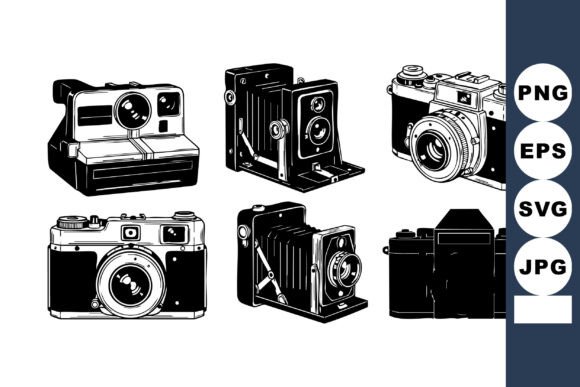
Vintage and Retro Cameras Collection Vec Review
As a designer who spends half my life staring at stitch charts and the other half trying to sell finished goods, I don’t just look for pretty pictures. I look for designs that translate well from screen to fabric. That is exactly why I decided to put Vintage and Retro Cameras Collection Vec through its paces. This vector illustration features six distinct vintage and retro camera silhouettes, rendered in a classic photography art style with a deeply nostalgic mood. It falls squarely into the Illustrations category as a versatile set of Graphics, but for those of us working in machine embroidery, the real question is: does it hold up when stitched?
I pulled this design out of my queue with a specific project in mind. I was preparing a batch of custom embroidered tote bags and aprons for a local craft fair, targeting photography enthusiasts and creative hobbyists. The goal was to create a handmade product that felt both professional and personal. Here is my honest breakdown of how Vintage and Retro Cameras Collection Vec performs in real-world application.
The First Impression: Mood and Visual Personality
When you first load the file, what strikes you is the clean, bold silhouette work. Because these are vintage cameras, the shapes are inherently recognizable—boxy rangefinders, classic SLRs, and perhaps a vintage viewfinder model. The fact that they are presented as silhouettes in black is a strategic advantage for embroiderers. It means we aren’t fighting against tiny, intricate details that might get lost in the stitching process.
The nostalgic mood of the design is palpable. It evokes a sense of history and craftsmanship, which pairs beautifully with the tactile nature of embroidery. For an Etsy seller or small shop owner, this visual language speaks directly to buyers who appreciate analog aesthetics. It feels less like a generic clipart image and more like a curated piece of design assets intended for serious use.
Real-World Application: Where This Design Shines
I tested Vintage and Retro Cameras Collection Vec across several different mediums to see where it fits best. Here is where I found the most success:
- Tote Bag Designs: This is arguably the strongest use case. A large-scale placement of one or two camera silhouettes on a canvas tote bag looks incredibly chic. The bold lines pop against natural cotton or denim, creating a custom apparel item that feels high-end without being overly complex.
- Sweatshirt Embroidery: For fall and winter collections, placing a row of three smaller camera icons along the hem or chest area of a sweatshirt adds a subtle, cool-girl vibe. It works as a holiday embroidery gift for photographers or students.
- Embroidered Patches: Because the shapes are self-contained, these make excellent patches. You can add a simple satin stitch border around each camera shape to create a cohesive patch pack. These are highly marketable as commercial embroidery items for jackets and backpacks.
- Baby Embroidery and Nursery Decor: Don’t overlook the soft side of this design. In a muted cream or grey thread on white muslin, these cameras become charming nursery decor. They fit perfectly into a "creative child" theme, offering a unique twist on standard baby gifts.
- Kitchen Towels and Aprons: For the home baker who loves photography, a single camera icon near the pocket of an apron is a delightful touch. It elevates a basic utility item into a personalized gift that shows attention to detail.
Technical Performance and Stitching Clarity
One of the biggest risks with silhouette-based machine embroidery design files is density. If the fill stitch is too heavy, the fabric puckers; if it’s too light, the underlying material shows through. With Vintage and Retro Cameras Collection Vec, the balance seems quite good. The solid black shapes suggest a dense fill stitch, which provides excellent coverage.
However, because these are silhouettes, there is no internal detail stitching (like lens rings or buttons) unless you add them manually. This is actually a benefit for stability. Fewer direction changes mean less thread breakage and a smoother run time. When evaluating the stitch density, I found that a standard polyester thread worked well, but using a metallic or variegated thread could completely change the vibe from "vintage documentary" to "modern artistic statement."
If you are planning to use this as an applique design, the clean edges of the vector make it easy to cut stabilizer or backing fabric. The contrast between the applique base and the top stitching would be striking, especially if you use a contrasting thread colors palette, such as gold thread on a navy blue background.
Where to Exercise Caution
No design is perfect for every situation, and I want to highlight a few areas where you should slow down and test carefully:
- Small Hoop Sizes: While the individual cameras are clear, shrinking them too small will result in a blobby mess. Avoid attempting to stitch these in hoops smaller than 4x4 inches unless you are extremely confident in your machine’s precision. Tiny details in a silhouette can merge together.
- Textured Fabrics: If you are stitching onto bouclé, heavy tweed, or heavily textured linen, the smooth curves of the cameras may not render cleanly. The fabric texture can interfere with the satin stitch edges, making the outline look jagged. Stick to smooth cottons, denims, or poly-blends for the crispest look.
- Curved Surfaces: Attempting to stitch this on a curved surface like a baseball cap or a sleeve cuff requires careful hooping techniques. The flat, graphic nature of the design might distort if the fabric stretches unevenly during stitching. Always use a proper stabilizer and consider tear-away versus cut-away based on the garment structure.
- Dense Stitch Areas: If you plan to combine multiple cameras close together, watch out for the total stitch count. Too much density in one spot can make the fabric stiff and uncomfortable, particularly on custom apparel meant for daily wear.
Design Notes for the Professional Maker
Before you commit to a full production run, here are my practical tips for integrating Vintage and Retro Cameras Collection Vec into your workflow:
Test on Scrap Fabric First: This cannot be overstated. Different thread brands have different sheens and thicknesses. A test run will reveal if your chosen thread colors provide enough contrast against your selected fabric texture.
Check Black and White Mockups: Since the source is a black silhouette, view your digitized version in grayscale. This helps you assess the visual weight of the design. Does it feel balanced? Is one camera too dominant? Adjusting the spacing before you start stitching saves time and material.
Confirm Licensing for Commercial Use: As a craft business owner, you need to know if you are allowed to sell finished products made from this digital embroidery file. Ensure you have the appropriate license for commercial embroidery rights. This applies whether you are selling physical goods or using the design in printable mockups for digital products.
Inspect Small Details: Even in a silhouette, check the corners of the lenses and viewfinders. Are they sharp enough? If the original vector has any anti-aliasing or fuzzy edges, your embroidery software might interpret them as unintended stitches. Clean up the vector path if necessary to ensure a crisp embroidery project outcome.
Final Verdict: Value and Buyer Appeal
Vintage and Retro Cameras Collection Vec is a strong addition to any designer’s library. It bridges the gap between artistic nostalgia and commercial viability. For creative entrepreneurs looking to expand their small shop product line, this design offers a low-risk, high-reward option. It appeals to a broad demographic—from professional photographers to casual hobbyists—and translates beautifully across various finished product categories.
The clarity of the shapes ensures that customers immediately recognize the subject matter, which builds trust and engagement. It doesn’t require explanation; it just works. Whether you are creating a personalized gift for a wedding or stocking shelves for a boutique, this collection provides a professional, polished look that stands out in a crowded marketplace. Just remember to respect the technical limitations of your machine and fabric, and you will find this design to be a reliable workhorse in your studio.