Retro Christmas Goose Book Lover PNG
As an embroidery designer who has stitched thousands of holiday motifs, I approach every new digital asset with a mix of excitement and skepticism. The market is flooded with generic snowmen and reindeer, so finding something that balances whimsy with genuine design integrity is rare. When I first pulled up the Retro Christmas Goose Book Lover PNG, my initial reaction was positive, but my professional instinct kicked in immediately: how will this translate from a screen to thread? This review isn’t just about whether the image looks cute; it’s about evaluating its viability as a machine embroidery design for real-world projects, small business merchandise, and personalized gifts.
First Impressions and Visual Personality
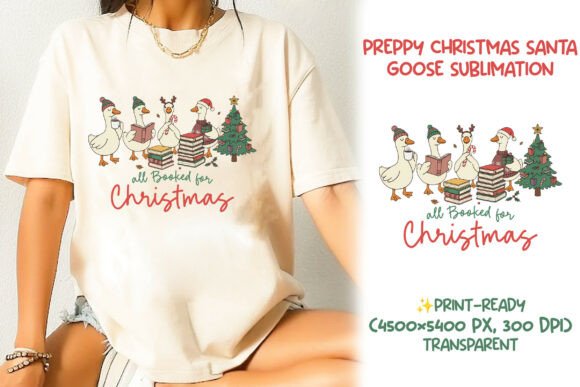
The Retro Christmas Goose Book Lover PNG captures a very specific mood: cozy, nostalgic, and slightly humorous. The aesthetic leans heavily into vintage charm, which is currently dominating the handmade gift space. For designers, the "retro" element is crucial because it suggests a timeless quality rather than a fleeting trend. The character itself—a goose, presumably holding or surrounded by books—creates an immediate narrative connection with book lovers, teachers, and librarians. This is not just a graphic; it is a conversation starter.
From a layout perspective, the composition feels balanced. In embroidery, negative space is just as important as the stitched area. A cluttered design often results in a muddy finish where individual stitches lose their definition. Here, the visual weight is distributed in a way that allows the eye to rest. It feels like a natural fit for a chest placement on a sweatshirt or a centered focal point on a tote bag. The personality of the design is warm and inviting, which translates well to emotional purchases. Buyers don’t just buy embroidery; they buy the feeling of comfort and community associated with reading and the holidays.
Real-World Application: The Custom Tote Bag Scenario
To truly test this design, I imagine it being used for a custom embroidered tote bag design intended for a local bookstore’s holiday sale. This is a common scenario for many Etsy sellers and craft fair vendors. The fabric here would likely be a sturdy cotton canvas, perhaps in a deep forest green or a crisp cream to complement the retro palette.
When stitching this onto a tote bag, the durability of the design becomes paramount. Unlike delicate baby clothes, a tote takes a beating. The Retro Christmas Goose Book Lover PNG appears robust enough to hold up under friction. However, the text elements—"All Booked for Christmas"—require careful consideration. If the lettering is too thin or relies on tiny details, it may become illegible after several wash cycles. For a commercial product, legibility is key to customer satisfaction. A buyer needs to read the joke instantly; if they have to squint at a blurred stitch cluster, the humor is lost, and the perceived value of the handmade product drops.
I also envision this design on a heavyweight sweatshirt embroidery project. The texture of fleece or heavy cotton blends provides a soft backdrop that can make the threads pop. The contrast between the fluffy fabric and the structured stitches of the goose creates a tactile appeal that customers love. It transforms a simple garment into a statement piece. For boutique branding, having a cohesive line of items—like matching aprons and hats featuring this same goose—can significantly boost brand recognition and professionalism.
Technical Performance in Embroidery
Translating a PNG/SVG graphic into an embroidery file involves converting pixels into stitches. The success of the final finished product depends heavily on how the digitizer handles the different elements. The goose’s feathers might benefit from a combination of fill stitch and satin stitch to give them dimension. Without proper variation in stitch direction, the feathers can look flat and plastic-like.
The book element introduces another technical challenge. Books are geometric shapes with sharp corners. In machine embroidery, sharp corners can sometimes pull or distort if the tension isn’t perfectly calibrated. I would advise testing the design to ensure the corners remain crisp. Additionally, the use of running stitch for fine details like eyes or whiskers must be checked for stability. If the running stitch is too long, it can snag easily, especially on items like caps or hats that experience frequent movement.
Thread color selection is critical here. The "retro" vibe suggests muted tones—mustard yellows, dusty reds, olive greens—rather than neon brights. Choosing the right thread colors can elevate the design from amateur to high-end. I recommend creating a mockup using your actual thread palette before committing to a large production run. Seeing the colors side-by-side helps you judge the contrast against your chosen fabric background.
Where Caution Is Required
While this design has strong potential, there are specific scenarios where it requires careful handling. Small hoop sizes are the biggest risk factor. If you attempt to digitize or stitch this design too small, the detail loss will be significant. Tiny lettering and fine facial features may merge into indistinguishable blobs. I strongly advise against using this design for very small accessories unless you are certain the digitization preserves clarity.
Textured fabrics pose another challenge. While linen or boucle wool might look beautiful in a photograph, they can hide the intricacies of an embroidery design. The uneven surface makes it difficult for the needle to penetrate consistently, leading to skipped stitches or misaligned patterns. For such materials, a simpler, bolder design is often safer. Similarly, stretchy fabrics like jersey knits require a heavy-duty stabilizer to prevent distortion. Without proper support, the circular motion of the goose or the curves of the books might warp during stitching.
Dense stitch areas should also be monitored. If the design packs too much thread into a small space, the fabric can become stiff and uncomfortable. This is particularly relevant for apparel like t-shirts or baby clothes, where softness is a priority. If the stitch density is too high, the garment loses its drape. Always check the stitch count and density settings in your embroidery software to ensure the balance between coverage and comfort is maintained.
Practical Designer Notes for Success
- Test on Scrap Fabric: Never go straight to the final product. Run the design on the exact type of fabric and stabilizer you plan to use. This reveals issues with tension, puckering, or registration errors early.
- Check Contrast: View your design in black and white mode. If the light and dark elements blend together without color, they will likely struggle in thread form. Ensure there is sufficient contrast between the goose, the book, and the background.
- Inspect Small Details: Zoom in on the digitized file. Are the eyes distinct? Is the text readable at the planned size? If not, consider simplifying the design or increasing the minimum stitch length.
- Verify Licensing: Before listing any small shop product on Etsy or selling at craft fairs, confirm the licensing terms. Some digital embroidery files allow personal use only, while others permit commercial sales of finished items. Understanding these rights protects your business from legal issues.
- Stabilizer Selection: Use the appropriate stabilizer for your fabric weight. Cut-away stabilizers are generally better for garments that will be washed frequently, while tear-away may suffice for one-time use items like holiday decorations.
Final Verdict on Market Fit
The Retro Christmas Goose Book Lover PNG is a versatile and charming asset for any designer looking to tap into the niche market of book-themed holiday goods. Its strength lies in its relatable theme and retro aesthetic, which resonates deeply with teachers, librarians, and avid readers. When executed correctly with attention to stitch density, thread contrast, and fabric choice, it can produce a high-quality handmade product that stands out in a crowded marketplace.
It is ideal for custom apparel like sweatshirts and t-shirts, as well as practical items like tote bags and aprons. By avoiding overly small applications and ensuring proper stabilization, you can mitigate most technical risks. For Etsy sellers and craft business owners, this design offers a solid foundation for creating a cohesive holiday collection. It encourages engagement through its humor and warmth, making it more than just a decoration—it’s a gift that speaks to the recipient’s passions. As always, the devil is in the details, so take the time to refine your digitization process, and this design will serve you well in both personal and commercial embroidery projects.